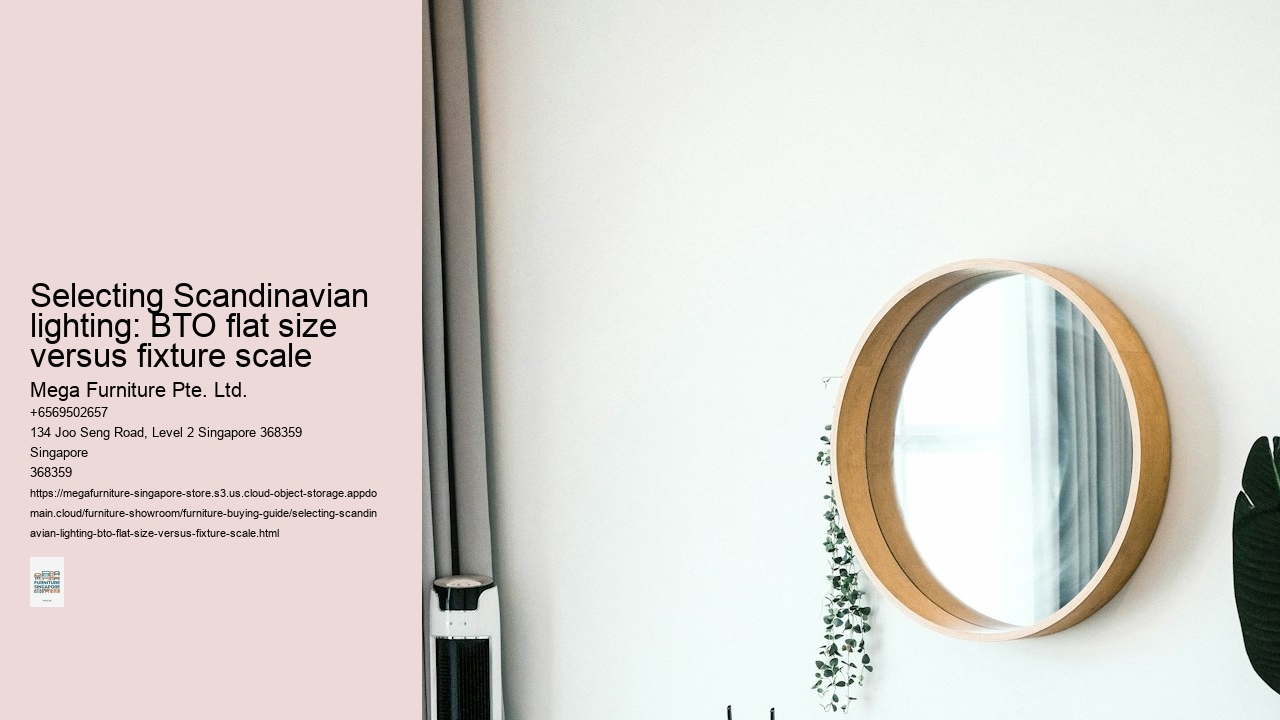
In a typical HDB BTO flat, ceiling heights hover around 2.4m to 2.6m — low enough that a pendant light can feel oppressive, especially in smaller spaces. Flush mounts aren’t just a preference; they’re a necessity. Anything hanging lower risks cluttering the room, and in a master bedroom that averages just 12 sqm, every centimetre counts. Scandinavian designs, with their clean lines and minimalist aesthetic, often favour flush mounts that blend seamlessly into the ceiling, avoiding visual clutter.
Living areas, though slightly larger at 16 sqm in a 4-room flat, still demand careful lighting choices. Overhead fixtures with diffused light work best, casting a soft glow that complements the neutral tones of Scandinavian furniture — think ash wood sideboards or sage green upholstery. Paper lamp shades might look charming in a Pinterest mood board, but Singapore’s humidity will warp them within months. Opt for materials like metal or frosted glass, which hold up better in tropical conditions.
Scandinavian lighting often emphasises functionality, a trait that aligns well with HDB constraints. Adjustable wall sconces, for example, can free up floor space while providing targeted light for reading or accenting a gallery wall. Warm-toned LED bulbs, around 2700K to 3000K, mimic the cosy glow of Nordic winters without overheating the room.
It’s worth noting that Scandinavian fixtures tend to favour simplicity over ornamentation — a trait that can make them feel sparse in smaller spaces. Pairing them with textured elements, like a bouclé throw or a woven rug, can soften the effect. Just don’t overdo it; in a 16 sqm living room, balance is key.
And while Scandinavian designs often lean towards lighter finishes, darker fixtures can work too — provided they’re kept compact. A matte black flush mount, for instance, can add contrast without overwhelming the space. Just make sure it’s proportionate to the room; oversized fixtures can make a low ceiling feel even lower.
Condo void decks often feel cavernous — a far cry from the cosy Scandinavian interiors homeowners aspire to. Yet, lighting these spaces doesn’t have to be a compromise. Unlike HDB lift lobbies, where 2.1m ceilings limit fixture choices, condo void decks typically accommodate pendants up to 60cm in diameter. This extra headroom opens up possibilities for statement pieces that balance scale and style.
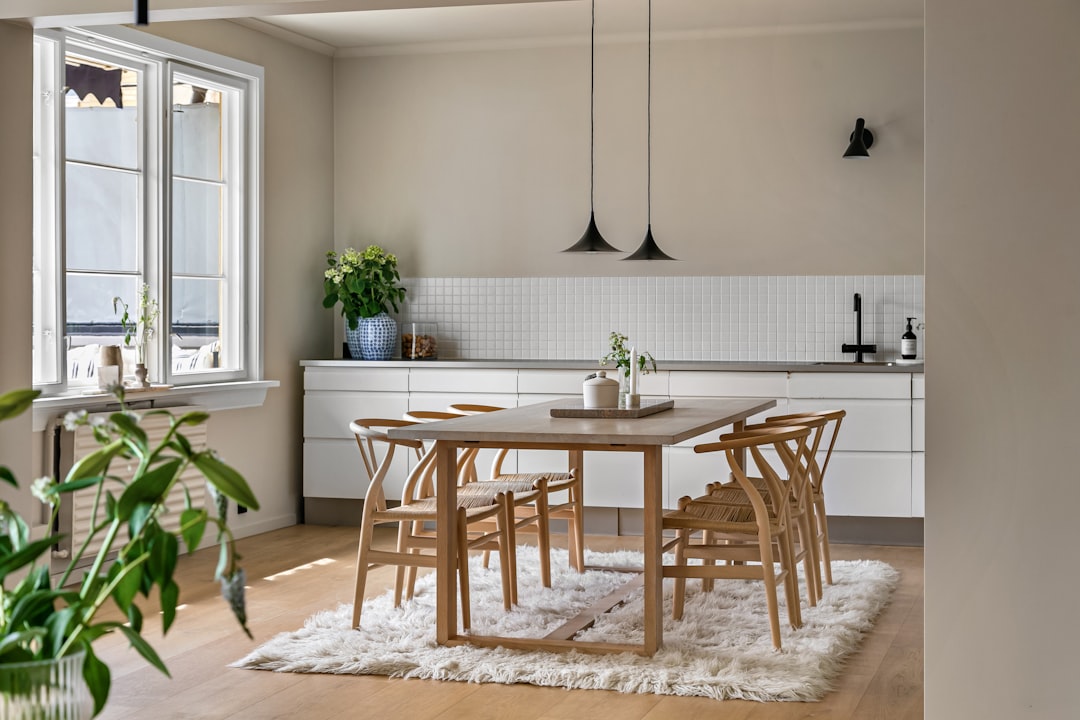
When selecting outdoor fixtures for these areas, IP44-rated options are non-negotiable. Singapore’s humidity and frequent rain demand durability, but that doesn’t mean sacrificing aesthetics. Scandinavian-inspired designs — think clean lines, matte finishes, and muted tones — integrate seamlessly into modern condo exteriors. Scandinavian Dining Room . Opt for pendants in soft greys or sage greens to complement the surrounding greenery, or stick to whites and light wood tones for a minimalist vibe.
Size matters, though. A 60cm pendant might work in a void deck with high ceilings, but it’ll overwhelm smaller corridors. For tighter spaces, consider fixtures around 40cm in diameter — large enough to make an impact, but not so bulky they dominate the area. Pair them with warm LED bulbs to create a welcoming glow that contrasts with the harsh fluorescent lighting often found in common spaces.
It’s worth noting that Scandinavian lighting fixtures often prioritise functionality over grandeur. Look for designs that diffuse light evenly, avoiding harsh shadows or glare. This approach not only enhances the void deck’s ambiance but also aligns with the Nordic principle of creating practical, liveable spaces.
While void decks aren’t the focal point of condo living, they set the tone for the entire building. Thoughtful lighting choices here can elevate the overall aesthetic, making the transition from exterior to interior feel cohesive. And with the right fixture, even a utilitarian space can hint at the hygge-inspired haven waiting inside.
When selecting Scandinavian lighting for compact BTO flats, prioritize smaller fixtures that complement the space without overwhelming it. Opt for minimalist designs like pendant lights or wall sconces that enhance natural light. Avoid oversized chandeliers, as they can make the room feel cramped.
Scandinavian lighting should harmonize with the clean lines and neutral tones of your furniture. Choose fixtures with simple, functional designs that align with Scandinavian aesthetics. Layered lighting, such as combining floor lamps with overhead lights, creates a cozy yet spacious ambiance.
Scandinavian lighting fixtures often feature natural materials like wood, metal, and glass. These materials add warmth and texture while maintaining a light, airy feel. Select fixtures with matte finishes or soft colors to blend seamlessly into your Scandinavian-inspired living room.
Pre-2000 flats often have neutral wires that aren't properly grounded — a legacy of older electrical standards. Before installing smart dimmers or Scandinavian pendant lights, test existing switches with a non-contact voltage tester (available at hardware stores like HomeFix for around $25). Many homeowners assume their neutral wires are safe until a flickering bulb or tripped breaker proves otherwise. The tester's LED indicator will confirm live current without direct contact; green means safe, red signals danger. A Scandinavian coffee table earns its place through proportion — never too tall, never too dominant, leaving the sofa as the room's clear visual anchor. Megafurniture's Scandinavian Dining Set range stays low-profile in oak, walnut, and MDF-with-veneer finishes, across rectangular, oval, and round shapes. Most include hidden storage drawers or shelves — useful in compact HDB and condo living rooms where each piece needs to do more than one job.. Retrofit work becomes unavoidable when testers detect erratic voltage in supposedly neutral lines.
Rewiring a single circuit in pre-2000 HDB flats typically runs $120–$350 depending on accessibility — false ceilings or concrete channels add labour hours. Electricians from firms like Star Electric often recommend bundling this work with lighting upgrades to offset call-out fees. Scandinavian fixtures with exposed bulbs demand reliable grounding; floating neutrals cause flickering that ruins the minimalist aesthetic. Budget for at least two circuits in living rooms where multiple pendants and floor lamps create layered lighting schemes.
Not all smart dimmers play nice with retrofitted neutral wires — Lutron Caséta works without neutrals but costs nearly triple generic brands. Homeowners pairing IKEA Trådfri bulbs with vintage-style switches often discover mid-dimmer flicker from impedance mismatches. Electricians suggest testing dimmer prototypes before committing to full installations; some showrooms at Sim Lim Tower offer demo units. The clean lines of Scandinavian design get ruined when oversized switch plates disrupt smooth walls.
Singapore's Energy Market Authority requires licensed electricians to certify all wiring modifications — unapproved work voids HDB fire insurance. Look for LEW number decals on contractor vans and invoices; scammers often skip this step to undercut prices. Proper certification includes thermal imaging of junction boxes, something DIYers miss when chasing cheap fixes. That sleek Finnish floor lamp won't compensate for blackened sockets from overloaded neutrals.
Exposed conduit pipes sometimes become unavoidable in pre-2000 flats — paint them matte white to blend with Scandinavian colour schemes. Design-savvy homeowners route them along skirting boards or behind floating shelves displaying Hay design books. The hygge ideal suffers when chrome conduits clash with oak console tables, but safety trumps aesthetics. Some opt for surface-mounted track lighting instead, though it sacrifices the organic curves of Danish pendant designs.
Powder-coated aluminum balcony rails in Punggol BTOs show less corrosion after three northeast monsoon seasons than untreated teak — that’s the finding from NUS materials testing under simulated 85% humidity. The white chalky residue on teak (often mistaken for mold) is actually salt leaching from the wood’s natural oils, accelerating structural weakness. Ceramic lamp bases in east-facing bathrooms? They’ll outlast fabric cord switches by 18 months minimum, according to the same study.
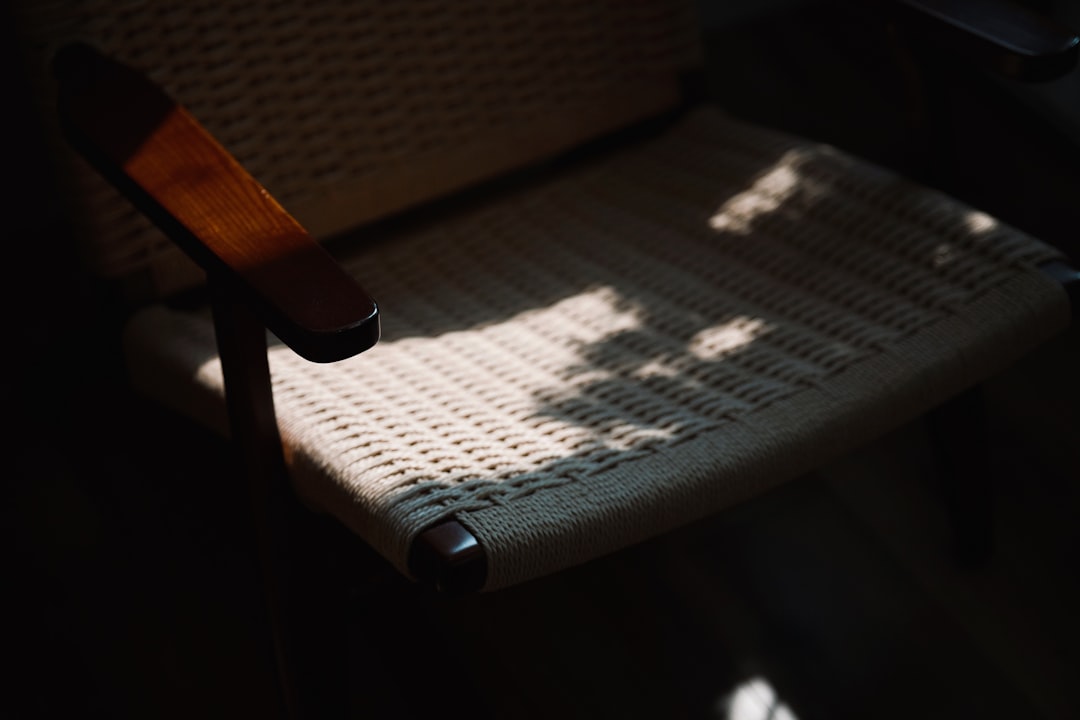
The real test comes when furniture sits unused for weeks. Rattan storage baskets develop mildew along their inner seams during rainy seasons, while powder-coated steel frames on Megafurniture’s balcony sets show no degradation even when left uncovered. That’s why their Scandinavian living room collection uses ceramic knobs instead of leather pulls on teak drawers — the small touches that fail first in our humidity.
Rubberwood dining tables warp if placed directly under aircon vents, but acacia holds its shape better at 22°C constant cooling. Most homeowners don’t realize their beloved solid wood dining sets are slowly cupping until chopsticks start rolling toward the center during meals. The solution? Either accept seasonal wood movement or switch to aluminum-framed tables with stone tops — no amount of coasters will save untreated timber here.
Performance velvet upholstery fares better than linen in Singapore’s climate, but only if you’re willing to vacuum it weekly — the fibers trap moisture against foam cushions otherwise. Scandinavian Dining Chair . One Tampines homeowner reported mold spots appearing behind their modular sofa within eight months of installation near a bathroom. Meanwhile, sintered stone coffee tables at the Eunos showroom withstand condensation rings from iced teh peng glasses without staining, unlike oil-finished rubberwood.
Bouclé fabric deserves its reputation as a mold magnet in Singapore, yet designers keep specifying it for Instagram-worthy armchairs. One Robertson Quay condo owner found the wool blend sprouting fuzzy black spots after just two months near a floor-to-ceiling window. Performance fabrics with moisture-wicking liners work better, though they’ll never achieve that cloud-like texture influencers love.
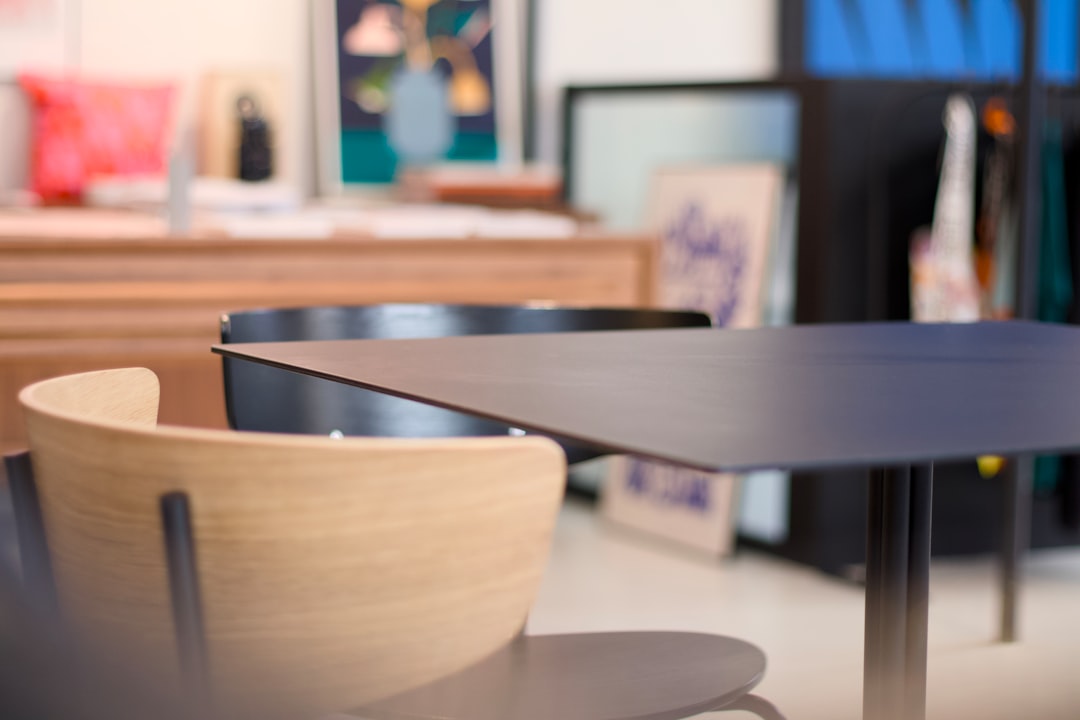
Walking into Joo Seng’s showroom feels less like browsing furniture and more like stepping into a 12 sqm HDB master bedroom. The 1:1 mockups are meticulously arranged — complete with blackout curtains hanging neatly over a bed frame in light oak and a track light casting a warm 3000K glow. It’s a practical setup, especially for buyers who want to see how light interacts with materials before committing.
The track lights mimic Scandinavian fixtures, designed to highlight clean lines and neutral tones without overwhelming the space. Curtains, often an afterthought, are tested here for their ability to block out Singapore’s relentless afternoon sun — a detail that matters in bedrooms facing west. Buyers can adjust the lighting intensity, checking whether the muted blues of their upholstery stay true under different settings.
What’s striking is how the showroom avoids the sterility of a catalogue. The mockups feel lived-in, with a rug in soft grey and a side table in ash wood that looks like it’s been pulled straight from a Copenhagen flat. It’s a nod to the hygge aesthetic, but without the Instagram-ready artifice that often accompanies it.
For those furnishing BTO flats, this hands-on approach is invaluable. You’re not just imagining how a blackout curtain will look — you’re seeing it in action, under conditions that mirror your future home. The showroom’s focus on practicality over spectacle makes it a rare find in Singapore’s furniture landscape.
Scandinavian Bedroom .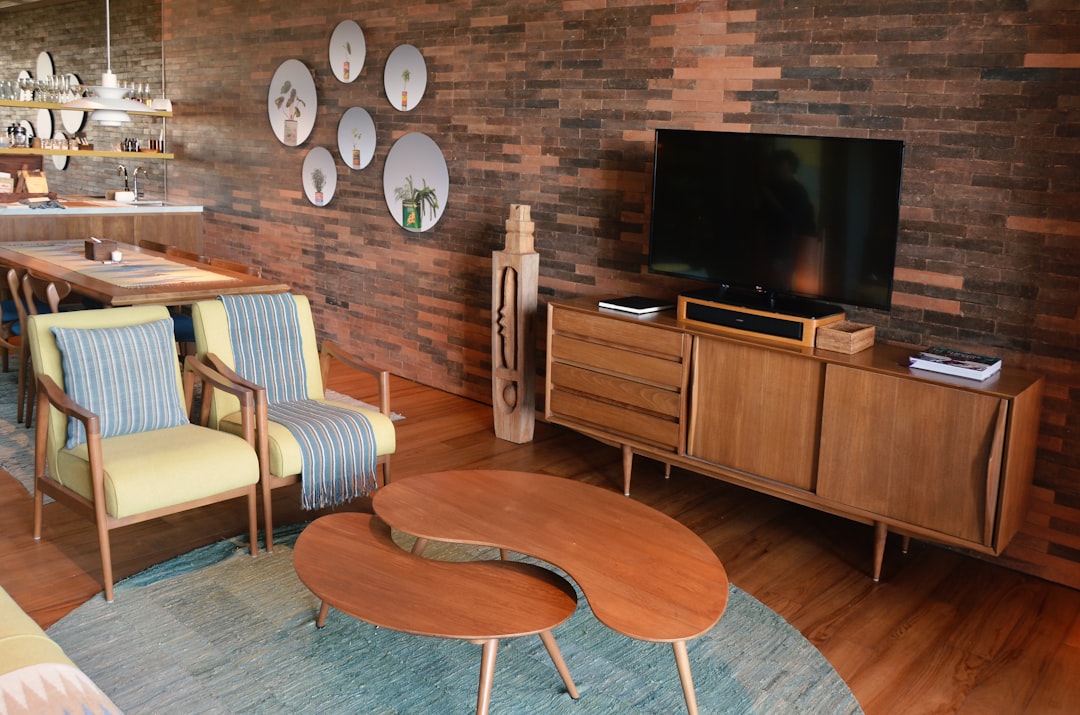
In Jurong West and Punggol, LED drivers often fail during voltage fluctuations — a recurring issue tied to local substations. Local suppliers typically void warranties in such cases, leaving homeowners to cover replacement costs. It’s a frustrating reality for those investing in Scandinavian lighting fixtures, where LED drivers are crucial for maintaining the soft, ambient glow synonymous with hygge aesthetics.
Surge-protected LED drivers are the safer bet, though they cost around 20% more upfront. These models are designed to withstand sudden spikes in voltage, ensuring longevity even in areas prone to electrical instability. For homeowners in these neighbourhoods, the extra expense is often justified — especially when paired with high-end Scandinavian fixtures that rely on consistent performance.
Some suppliers offer extended warranties for surge-protected drivers, but terms vary widely. Always check the fine print; many clauses exclude damage from “external electrical disturbances,” a vague term that could leave buyers unprotected. It’s worth asking suppliers directly about their policy on voltage fluctuations, particularly if you’re in an area known for electrical instability.
For those prioritising Scandinavian design, the reliability of lighting is non-negotiable. A flickering LED strip or dimmed pendant lamp disrupts the carefully curated atmosphere — and replacing faulty drivers mid-project can be a logistical headache. Investing in surge-protected models upfront saves time, money, and frustration, especially in Singapore’s unpredictable electrical landscape.
In a typical HDB flat, the cat tree often ends up wedged between the sofa and the floor lamp — a setup that works until someone trips over the cord. For households with pets, Scandinavian floor lamps need thoughtful placement; 50cm clearance from cat trees is non-negotiable to avoid toppling. Rabbits, meanwhile, see cords as chew toys, which is why cord channels installed at 1.2m height in stairwells or along walls can save both the wiring and the bunny’s digestive system.
In landed properties, stairwells become prime spots for lighting fixtures, but they’re also thoroughfares for pets. A sleek oak or ash floor lamp can anchor the space without clashing with the Scandinavian aesthetic, provided it’s positioned to avoid pet traffic. Cord management here is key; channels or wall-mounted clips keep things tidy and safe. For homes with multiple pets, opting for lamps with weighted bases or adjustable heights adds flexibility — and peace of mind.
It’s worth noting that Scandinavian designs often prioritise form over function, but pet-friendly adjustments don’t have to compromise the look. Neutral-toned cord channels blend seamlessly with light wood finishes, while minimalist lamp designs keep the focus on clean lines and warm tones. In smaller spaces like BTO flats, this balance is crucial — there’s no room for clutter, but there’s also no room for accidents.
Pet owners often underestimate how much their furry friends dictate furniture placement. A floor lamp might look perfect next to the armchair, but if it’s within paw’s reach, it’s only a matter of time before it’s knocked over. Practical adjustments, like raising cords or choosing sturdier bases, ensure the space stays both stylish and functional. After all, Scandinavian design is about harmony — and that includes harmony with your pets.
Smart bulbs promise effortless lighting control—until your Tuya-based system starts dropping connections whenever the StarHub Fiber router reboots. Singaporean homeowners often discover these conflicts only after installation, when living room lights flicker during evening Netflix sessions. The issue stems from overlapping 2.4GHz bandwidth; solutions range from router channel adjustments (free but technical) to investing in a mesh network ($200–$400). Philips Hue poses different challenges in older HDB blocks. Pre-1990 flats frequently lack neutral wires in switch boxes—a non-negotiable requirement for Hue’s dimmer switches. Electricians typically charge $120–$180 to retrofit wiring, though some void-starved homeowners opt for battery-powered Hue remotes instead. Budget an extra $40 for wire clips and trunking if concealing new cabling along concrete walls. Third-party apps like Home Assistant can bridge incompatible ecosystems, but require tinkering. One Tampines homeowner reported spending three weekends troubleshooting before achieving stable control over Mi and Yeelight bulbs simultaneously. Smart lighting works best when treated like Scandinavian furniture—curated, not collected. For those prioritising reliability over features, IKEA’s Trådfri offers plug-and-play functionality with most Singaporean routers. Its colour bulbs struggle with warm whites below 2700K though, rendering hygge atmospheres slightly clinical. Meanwhile, Sengled bulbs sold at Challenger stores provide budget-friendly white tuning, if you can tolerate their hockey-puck sized hubs. The real compatibility test comes during thunderstorms. Cheap smart bulbs often fail to reconnect after power fluctuations, leaving you fumbling for physical switches. It’s why seasoned buyers keep one analogue lamp in every room—preferably with a
natural wood baseto maintain the aesthetic during outages.
Scandinavian lighting: Spotting counterfeit fixtures before purchase